

What began as a university fundraising dinner has grown into a Kenyan-led movement using nutrition, technology and partnerships to help hundreds of thousands of children learn without hunger.
Wawira Njiru’s journey began with one dinner and a belief that every child deserves the opportunity to learn with a full stomach.
While studying nutrition at the University of South Australia, Wawira organized a Kenyan-themed fundraising dinner. She used the money raised to provide meals for 25 children at a primary school in Ruiru.
It was a modest beginning, but the experience revealed a challenge much larger than one school.
Many children were arriving in classrooms hungry. Without a nutritious meal, concentrating, participating and remaining in school became more difficult.
Wawira decided those first 25 meals would not be the end of the story.
From 25 Children to a National Movement
In 2012, Wawira founded Food4Education, a Kenyan organization working to make nutritious school meals affordable and accessible.
The initiative grew from a small feeding program into one of Africa’s largest locally led school-feeding movements. Through partnerships with parents, donors and county governments, Food4Education now reaches hundreds of thousands of children across Kenya every school day.
Its official reporting shows how rapidly the vision has expanded. By 2025, the organization was serving approximately 500,000 daily meals in more than 1,300 schools across 10 counties while supporting thousands of jobs.
That extraordinary growth began with Wawira asking a simple question: What might children accomplish if hunger were no longer standing between them and their education?
Building Kitchens for Greater Scale
Feeding hundreds of thousands of children requires more than generosity. It demands reliable systems capable of preparing, transporting and serving nutritious food efficiently.
Food4Education developed centralized kitchens that prepare meals in large quantities before distributing them to participating schools.
The organization sources ingredients locally, connecting its school-feeding work with farmers, suppliers and surrounding communities. It also creates employment for cooks, kitchen teams, distributors and other workers involved in delivering the meals.
Through public-private partnerships, Food4Education works with county governments to expand programs while keeping meals affordable for families.
The model demonstrates that school feeding can support several priorities at once: child nutrition, education, employment, local agriculture and community development.
Tap, Eat and Learn
Technology has become an important part of Food4Education’s growth.



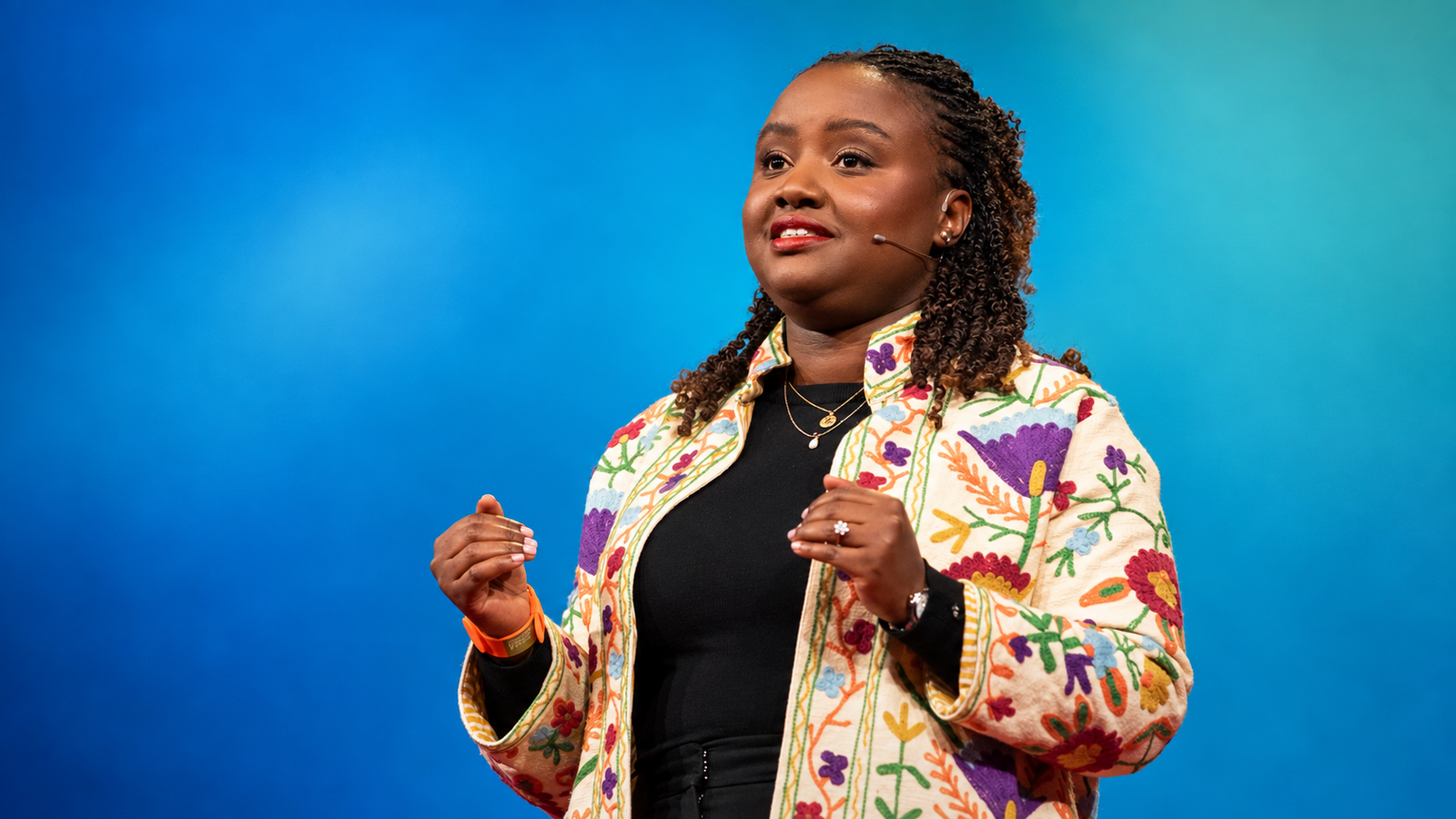
Through its Tap2Eat system, participating learners use an electronic wristband to access their meals. Parents can make small cashless contributions, while the digital platform helps the organization monitor meal distribution and plan more effectively.
Food4Education says the technology has supported dignified, cashless access to school meals for more than 500,000 children while generating information that connects nutrition, education and local economies.
For the child, the process is simple: tap the wristband and receive a meal.
Behind that moment is a carefully coordinated system designed to serve large numbers of students consistently and efficiently.
A Meal That Supports Learning
Wawira’s work is built on the understanding that hunger is also an educational challenge.
A child who has not eaten may struggle to concentrate, remain attentive or participate fully in lessons. Some children may miss school altogether while searching for food or helping their families earn an income.
Providing a dependable meal gives learners something important beyond nutrition: the freedom to focus on being children and students.
In 2026, Wawira emphasized that classroom hunger can cost children a significant amount of learning time each year.
Food4Education’s impact therefore cannot be measured only by the number of plates served. It can also be seen in classrooms where learners have greater energy, parents receive support and schools become places children are more eager to attend.
Building an African Blueprint
Wawira’s ambitions extend beyond operating a successful feeding program in Kenya.
Her larger vision is to create a model that governments and organizations can adapt across Africa—one that combines centralized kitchens, local food systems, technology and public partnerships.
Food4Education describes its work as a blueprint for delivering nutritious meals affordably and efficiently at scale.
The organization has received international recognition, including being named one of the TIME100 Most Influential Companies of 2024. TIME described it as Africa’s largest locally led and independently operated school-food program.
Yet the heart of Wawira’s mission remains the same as it was at the beginning: ensuring children do not have to choose between hunger and learning.
Why Wawira Njiru’s Story Matters
At Sisi Kenya Spotlight, we celebrate Kenyans who begin with what they have and grow their ideas into solutions that transform lives.
Wawira Njiru started with a fundraising dinner and 25 meals. She did not wait until she had a national network, advanced technology or large institutional partners. She saw a need, gathered support and began serving children.
From that small beginning emerged centralized kitchens, digital meal systems, public-private partnerships and a movement reaching hundreds of thousands of learners.
Her story is a reminder that meaningful change does not always begin at scale. Sometimes it begins with one table, one community and the decision to serve the first 25 children.
Wawira began by filling plates.
Today, she is helping build fuller classrooms, stronger communities and a future in which every African child can learn without hunger.