
The young Maasai advocate is connecting environmental restoration with clean water, education, health and the dignity of communities.
For Anita Soina, climate change is not an abstract issue discussed only at international conferences.
It is visible when families struggle to find clean water, when drought threatens livestock, when children miss school and when women and girls live without adequate sanitation facilities.
This understanding has shaped Soina’s journey from a teenage environmental organizer into one of Kenya’s recognizable young voices in climate action and community development.
A member of the Indigenous Maasai community, she is the founder of The Soina Foundation and Restoration Warriors Africa, a youth-led environmental movement previously known as Spice Warriors.
Her work shows that protecting the environment must also mean protecting the people whose daily lives depend most directly on it.
Making Climate Action Understandable
Soina entered environmental advocacy while still a teenager.
She noticed that climate conversations were frequently presented using technical language that made the subject feel distant from ordinary people—especially young people.
Her response was to make environmental education practical, relatable and connected to everyday life.
She began organizing tree-planting and environmental-awareness activities before establishing Spice Warriors, which later became Restoration Warriors Africa.
The movement encourages young people to restore degraded land, protect natural resources and strengthen their communities’ ability to respond to environmental change.
Its work also recognizes the importance of Indigenous knowledge. Communities that have lived close to the land for generations possess valuable experience in managing water, livestock, vegetation and changing weather conditions.
Soina believes their knowledge should be included in environmental solutions rather than overlooked.
Building The Soina Foundation
As her environmental work grew, Soina recognized that climate action could not be separated from the broader challenges facing marginalized communities.
She created The Soina Foundation to support Maasai, Maa-speaking and other pastoralist communities through programmes involving:
- Water, sanitation and hygiene
- Education and digital access
- Menstrual health
- Youth leadership
- Environmental restoration
- Sexual and reproductive health
- Gender-based violence awareness
- Protection of vulnerable girls
The foundation has reported reaching more than 350 rural learners, distributing over 5,000 sanitary pads and helping protect two girls from child and early marriages.
Its plans also include safe, solar-powered community libraries where children can access books, digital learning tools and appropriate spaces to study.
These programmes demonstrate the connection between environmental security and human opportunity. A community needs more than trees. It also needs water, education, safety and places where young people can learn.
Water, Sanitation and Human Dignity
Water security is one of the strongest themes in Soina’s advocacy.
Growing up in a pastoralist community allowed her to witness how closely families, livestock and local ecosystems depend on reliable natural water sources.
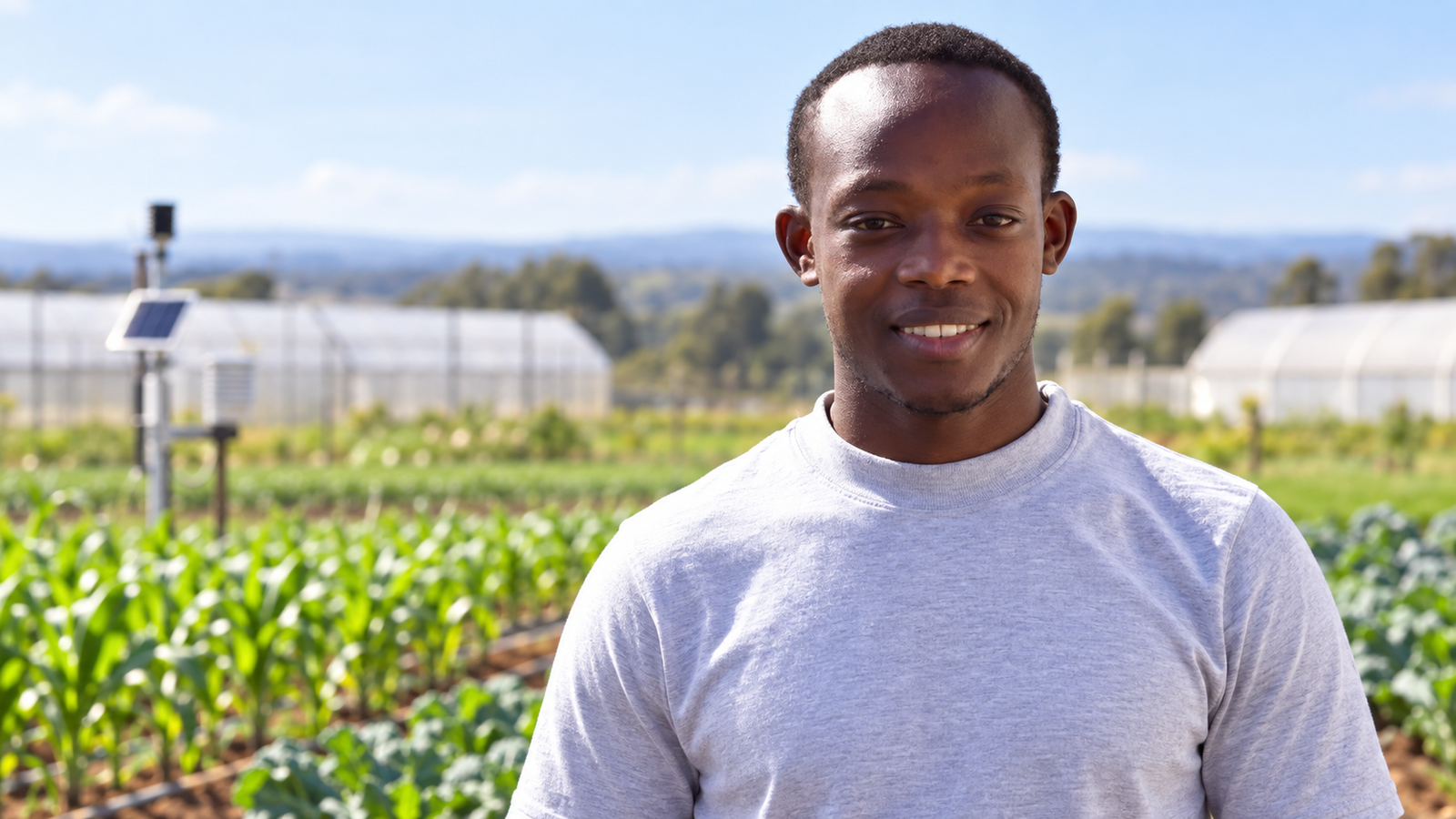



Drought, deforestation, changing rainfall patterns and environmental degradation have made that access increasingly uncertain in many communities.
When water is far away, children—particularly girls—may miss lessons while helping their families collect it. Limited sanitation can increase health risks, while insufficient facilities and menstrual supplies create additional barriers for women and girls.
Soina brought these experiences into international advocacy when she served as the 2023–2024 Global Youth Champion for Sanitation and Water for All, a United Nations-hosted global partnership.
The role allowed her to amplify young people’s voices in conversations about water, sanitation and hygiene while emphasizing that communities should participate in designing the solutions intended to serve them.
Taking Community Voices to Global Platforms
Soina’s advocacy has taken her from Kenyan communities to major international gatherings, including global climate conferences and Stockholm+50.
Her message is consistent: communities affected by climate change should not be presented only as victims.
They are also leaders, innovators and custodians of knowledge.
In 2026, Soina facilitated a youth-focused session at the Prince Mahidol Award Conference in Bangkok. She used the platform to emphasize that young people are already developing solutions, organizing communities and contributing to public policy.
She was also named a 2026 Spicy Awards finalist in the Activists category, recognizing her work in restoration, climate justice, Indigenous knowledge and community empowerment.
Taking “The Green War” to Readers and Audiences
Soina is also the author of The Green War, a book that explains environmental challenges in accessible language and encourages ordinary people to participate in protecting the planet.
She later shared the message on the TEDxParklands stage.
Her approach challenges the belief that climate action belongs only to scientists, governments or large organizations.
Individuals and communities can contribute by protecting water sources, planting trees, reducing waste, educating children and supporting locally developed solutions.
When these actions are combined with responsible public policy, they can help create lasting change.
Bringing Climate Advocacy Into Politics
In 2022, Soina contested the Kajiado North parliamentary seat. At 21, she was widely reported as Kenya’s youngest parliamentary candidate during that election cycle.
Although she did not win, her candidacy introduced climate policy, women’s leadership and youth participation into a competitive political space.
The campaign also demonstrated her belief that young people should not wait until others consider them old or experienced enough to contribute.
By seeking public office, Soina moved from asking leaders to address environmental and community concerns to presenting herself as someone prepared to participate directly in policymaking.
Continuing to Learn and Lead
Soina holds a bachelor’s degree in Public Relations and Corporate Communication from the Multimedia University of Kenya. She is also pursuing a master’s degree in Community Development at Daystar University.
Her communications training has become one of her most valuable tools.
Through public speaking, writing, digital storytelling and community engagement, she translates complex environmental conversations into messages people can understand and act upon.
Why Anita Soina’s Story Matters
Anita Soina represents a generation of African climate leaders whose work begins within communities and reaches the global stage.
Her advocacy recognizes that climate justice is also about clean water, education, health, gender equality and economic security.
At Sisi Kenya Media, we celebrate Kenyans who are turning personal understanding into practical action.
Soina is doing exactly that. From Maasai communities to international platforms, she is helping make climate action everyone’s business—and ensuring that the people most affected by environmental change are recognized as leaders in creating the solutions.