

From an under-resourced classroom in rural Nakuru to the global education stage, Brother Peter Tabichi has shown what can happen when a teacher sees potential where circumstances suggest limitation.
When Brother Peter Tabichi arrived at Keriko Mixed Day Secondary School in rural Nakuru County, he found determined students learning under difficult conditions.
The school had one computer, unreliable internet and a student-to-teacher ratio reported at approximately 58 to one. Many learners came from low-income families, while some walked several kilometres to attend classes.
Peter did not allow those circumstances to define what his students could achieve.
Instead, the mathematics and physics teacher transformed the classroom into a place of confidence, creativity and scientific discovery.
Creating With What Was Available
Peter understood that his students needed more than textbooks and examinations. They needed opportunities to experiment, solve problems and see themselves as capable innovators.
He expanded the school’s Science Club, introduced a talent-development program and worked with fellow teachers to provide additional mathematics and science lessons.
When unreliable internet made online learning difficult, Peter visited cybercafés, downloaded educational materials and carried them back to school for offline use.
He also visited students’ homes and met their families to understand the challenges affecting attendance and academic performance.
His approach demonstrated that teachers may not control every resource available to them, but they can still find creative ways to expand what is possible.
Taking Rural Innovation to the World
Under Peter’s guidance, Keriko students began developing projects capable of competing against better-resourced schools.
One team created a device designed to help people with visual and hearing impairments measure objects. The project helped Keriko finish first among public schools at the 2018 Kenya Science and Engineering Fair.
Other students explored how local plant material could generate electricity, earning recognition from the Royal Society of Chemistry.
In 2019, two learners represented Kenya at the Intel International Science and Engineering Fair in Phoenix, Arizona, where they received a United Nations Sustainable Development Goal Award.
For students who had never previously travelled by air, the experience offered powerful evidence that their location did not determine the limits of their future.
The Prize That Brought Global Attention


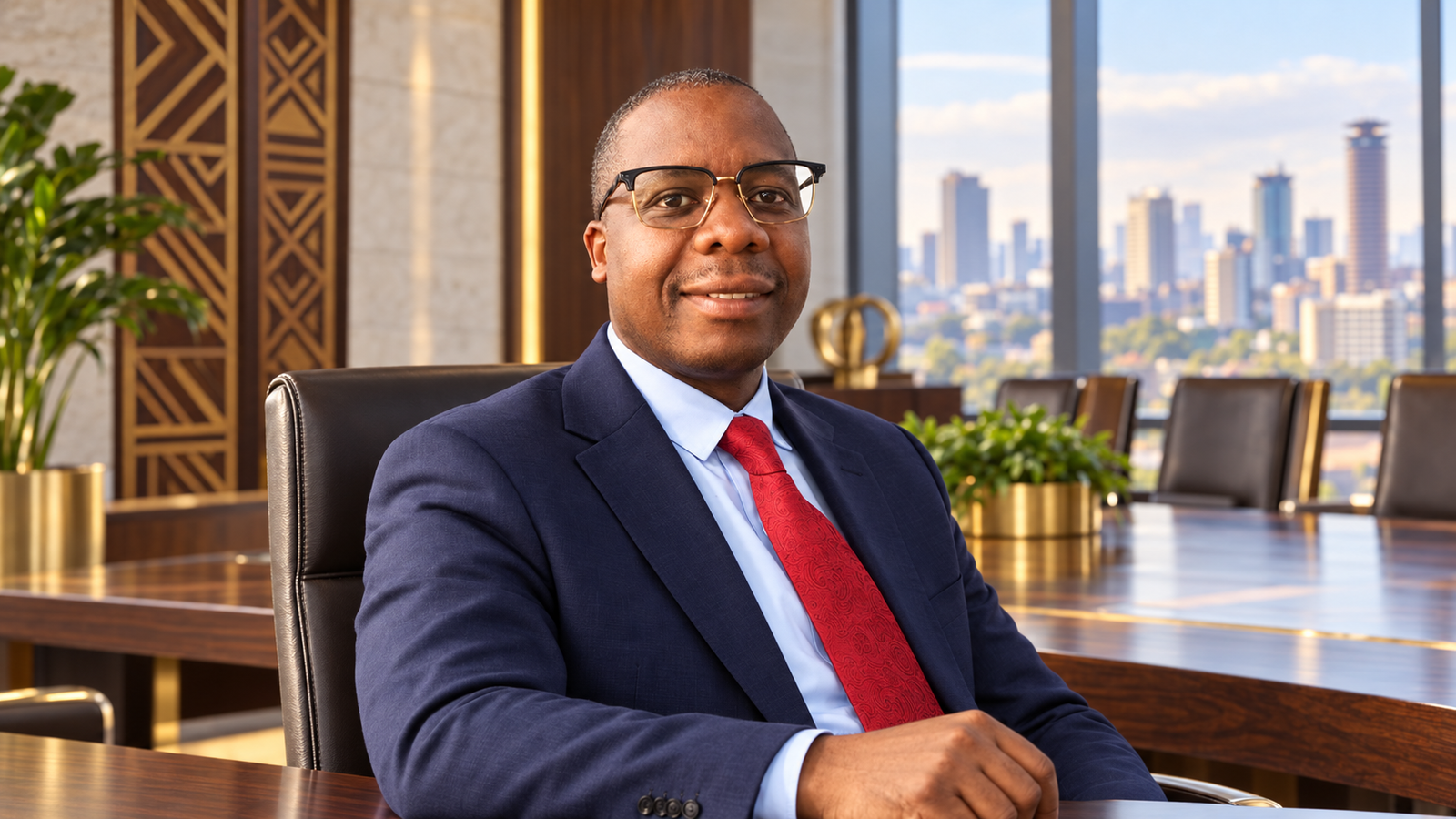

In March 2019, Peter became the first African winner of the US$1 million Global Teacher Prize, selected from more than 10,000 nominees and applicants worldwide.
The recognition celebrated more than improved academic performance.
Peter was known for sharing a large portion of his income with disadvantaged learners and families. His service reflected his life as a Franciscan friar and his belief that education should create both knowledge and dignity.
The award brought international attention to one rural Kenyan classroom—but Peter used that visibility to keep the focus on students, teachers and underserved schools.
Building Beyond One School
Peter’s work has since helped mobilize resources for classrooms, laboratories, water, sanitation and technology infrastructure in marginalized communities.
A 2025 Global Teacher Prize profile reported that his initiatives had attracted more than US$400,000 for school infrastructure and educational resources.
He also promoted peaceful relationships among students from different communities and encouraged climate-resilient agriculture to help families respond to drought and food insecurity.
His work demonstrates that a teacher’s influence does not end when a lesson concludes. Educators can also mobilize communities, develop partnerships and connect students with opportunities far beyond the school gates.
Helping Teachers Learn From Teachers
Peter’s current chapter is focused on strengthening the work of other educators.
Through the Peter Tabichi Foundation, he leads TichaCraft, a program helping teachers identify promising classroom methods, test them in different learning environments and share them with colleagues.
The program places teachers at the centre of educational improvement.
Instead of waiting for every solution to arrive from outside the classroom, participating educators work together to develop low-cost, locally relevant approaches that respond to the realities of Kenyan schools.
In this way, Peter is expanding the philosophy that shaped his work at Keriko: begin with what is available, believe in the learner and build practical solutions from within the community.
A Classroom Filled With Possibility
At Sisi Kenya Media, we celebrate educators whose work reaches beyond delivering lessons.
Brother Peter Tabichi’s journey is not simply a story about winning a global award. It is about what he was doing before the world noticed—and what he chose to build afterward.
Before the recognition, he was downloading materials from cybercafés, visiting students’ homes and preparing young scientists to compete nationally.
Afterward, he transformed global visibility into partnerships, infrastructure and a foundation helping other teachers strengthen their classrooms.
His story reminds us that an under-resourced school does not have to be an ambition-poor school.
With commitment, creativity and a teacher who truly believes in every learner, a rural classroom can become a laboratory for confidence, invention and extraordinary possibility.